


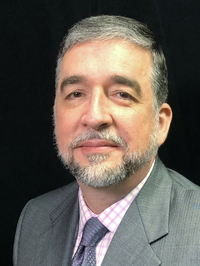
Quinn M. Biggs, PhD, MPH
Research Psychologist, Center for the Study of Traumatic Stress
Research Assistant Professor, Department of Psychiatry
Uniformed Services University
Dr. Quinn Biggs is a Research Psychologist at the Center for the Study of Traumatic Stress (CSTS) and a Research Assistant Professor in the Department of Psychiatry at the Uniformed Services University. He received a BA in Psychology from the University of Texas at Austin, MPH from the University of North Texas Health Science Center, and PhD in Clinical Health Psychology and Behavioral Medicine from the University of North Texas. His graduate research included the development of three novel, original data collection studies examining the psychiatric consequences of transportation-related trauma, reduction of dental anxiety, and tailored health messages for chemical dependency populations. Dr. Biggs has worked in medical hospital behavioral health consultation/liaison services and physical rehabilitation settings, and worked in inpatient, outpatient, and residential psychiatric and chemical dependency treatment programs with patients of all ages.
Dr. Biggs’ interests include the use of emerging technologies for psychological assessment and clinical care, psychological reactions to traumatic injury and death, intervention and recovery following traumatic experiences, and clinical and community responses to disaster and terrorism. He contributes to research as an investigator on studies of military and civilian populations. Recent studies have examined stress, resiliency, and post-deployment readjustment in US Army Mortuary Affairs Soldiers who handle the remains of deceased service members, and change across time in posttraumatic stress symptoms, suicidal ideation, sleep, and other symptoms using a novel ecological momentary assessment (EMA) methodology. He has been an author on peer-reviewed journal articles and book chapters that focus on these areas. Dr. Biggs joined the Center for the Study of Traumatic Stress in August 2007.