


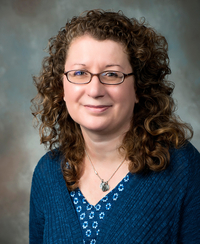
Holly H. Mash, PhD
Associate Scientific Director, Center for the Study of Traumatic Stress
Professor, Department of Psychiatry
Uniformed Services University
Holly H. Mash, PhD, is a Professor of Psychiatry at the Uniformed Services University and Associate Scientific Director of the Center for the Study of Traumatic Stress. She received her Bachelor of Arts in Psychology from Kenyon College, and a Master of Arts in Counseling Psychology from Boston College. Dr. Mash completed her Master of Science and PhD in Health Psychology at the University of Pittsburgh, with a focus on predictors of psychophysiological and behavioral sequelae of trauma exposure.
Dr. Mash’s training and experience center on mental and behavioral health impacts of exposure to traumatic and highly stressful experiences over the life course in military and civilian populations. These include mental disorders and stress-related responses (posttraumatic stress disorder, alcohol and substance use disorders, depression, anxiety, and complicated grief) and health risk behaviors (e.g., problematic alcohol/substance use, suicidal behaviors, sleep disruption, and functional impairment), with an emphasis on co-occurring conditions. Dr. Mash’s research addresses event-related, cognitive, behavioral, psychosocial, and individual risk and protective factors influencing acute and long-term response.
Dr. Mash serves as a Principal Investigator and researcher on several disaster-related studies, focusing on responses to multiple hurricanes in public health workers, terrorist attacks in community residents, COVID-19-related experiences among National Guard members, a major airplane crash among rescue workers, and the Washington Navy Yard shooting among service members and families. She is an Investigator on the Army Study to Assess Risk and Resilience in Servicemembers (Army STARRS/STARRS-LS), the largest study of suicidal behaviors in the military to date, and the Coast Guard Behavioral Health Program Enhancement Initiative. Dr. Mash has authored several peer-reviewed journal articles and book chapters focused on trauma responses and mechanisms influencing their development, and is an Associate Editor for Disaster Medicine and Public Health Preparedness.
Dr. Mash joined the Center for the Study of Traumatic Stress in February 2010.
Visit ResearchGate for a list of Dr. Mash’s publications.